

The Happiness Tree - Mimosa
- Cynthia A. Barrington, BCHHP, CNHP

- Jun 7
- 2 min read
Updated: Jun 13
Here in the south, mimosa trees are everywhere. When they are in bloom, their bright pink flowers dress up nearly every roadside. For as long as I can remember, they have been considered a nuisance, but their health benefits are quite impressive.
The mimosa is known for its ability to enhance mood, and is known as the "tree of happiness". Studies have shown it has a positive effect on memory and the nervous systems. It is also beneficial for sinus problems, urinary problems, and even hemorrhoids. That would make anybody happy!

Beneftis
Aphrodisiac
Relieves pain
Helps with depression
Protects from asthma
Helps with sinus problems
Relaxes the nervous system
Helps with fluid retention
Relieves symptoms of dysentery
Helps with urinary problems
Relieves hemorrhoids
Protects the adrenal glands
Promotes natural relaxation of the hypothalamic-pituitary-adrenal axis
Helps the body easily switch between sympathetic and parasympathetic nervous systems
Herbal Actions
Herbal actions are the affects herbs have on the body's systems, organs, and tissues.
Adaptogenic (helps our bodies adapt to stress)
Anti-asthmatic (protects from asthma)
Antibacterial (inhibits growth of bacteria)
Anticonvulsant (inhibits convulsions)
Analgesic (relieves pain)
Antidepressant (combats depression)
Anti-infertility (improves reproductive health)
Antivenom (counteracts toxic effects of venom)
Diuretic (stimulates urine to remove fluids from the body)
Sedative (reduces activity of the nervous system)
Did you know when mimosa tree bark is roasted, it can be used in a poultice for external lesions and wounds?
Preparation Information
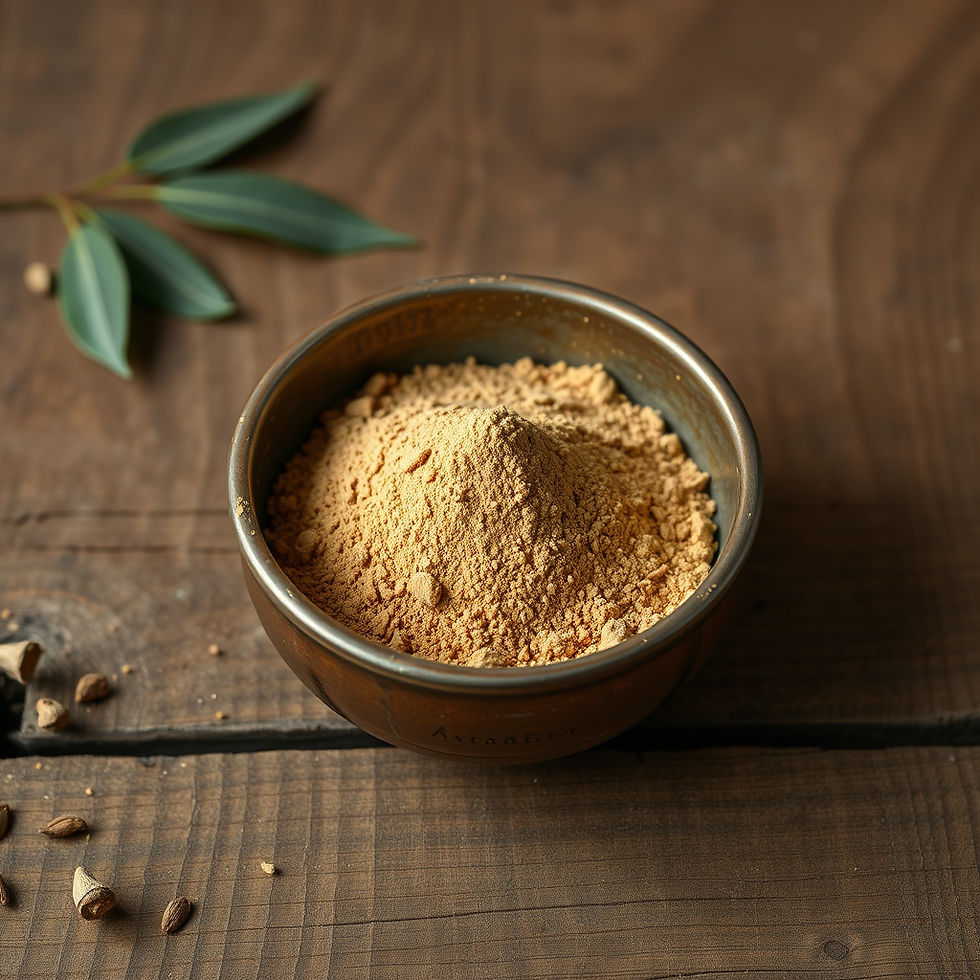
Parts Used - Whole plant, leaves, roots
Common Preparations - Tea, Tincture
Herbal Energetics
Herbal energetics are how an herb acts when used to correct imbalance.
Temperature - Cooling
Moisture - Moistening
Tone - Relaxing
Taste - Sweet
Caution
Because of its mood-enhancing properties, people with bipolar disorder may experience mania, especially when using the bark for tea. Use with caution.
Storage
As a tincture, store in a glass jar with a tight lid in a cool, dark place.
If it's dried, store in a cool, dry place in a dark, airtight container. Potency decreases over time, so it's best to use it within 6 - 12 months.
My Favorite Product
(As an Amazon Associate, I earn from qualifying purchases)

Resources
Gupta, R., Ahmad, H., Sehgal, S., & Mishra, A. (2012). Mimosa pudica L. (Laajvanti): An overview. Pharmacognosy Reviews/Bioinformatics Trends/Pharmacognosy Review, 6(12), 115. https://doi.org/10.4103/0973-7847.99945
Patro, G., Bhattamisra, S. K., & Mohanty, B. K. (2016, December 1). Effects of Mimosa pudica L. leaves extract on anxiety, depression and memory. https://pmc.ncbi.nlm.nih.gov/articles/PMC5206927/#sec7
Herbs, H. (2024, July 17). Mimosa (Albizia julibrissin). Heilbron Herbs. https://heilbronherbs.com/blogs/journal/mimosa-albizia-julibrissin
Global Healing. (2024, September 6). Health benefits of the mimosa tree. Global Healing. https://globalhealing.com/blogs/education/health-benefits-of-the-mimosa-tree


Comments